Coating Inspection Services in Pakistan
Your industrial assets are working under constant pressure heat, moisture, chemicals, and mechanical stress are silently attacking them every single day. When protective coatings fail, the consequences go far beyond surface rust: you face structural deterioration, unplanned shutdowns, massive repair costs, and in severe cases, safety hazards that put your workforce and operations at serious risk. At KK Inspection Services, we provide professional Protective Coating Inspection Services that catch problems before they become disasters. Our certified inspectors verify every stage of your coating system from surface preparation to final application ensuring your assets stay protected, compliant, and performing at their peak for years to come.
What is Coating Inspection?
Coating inspection is the independent verification process that ensures protective coatings are applied correctly, meet required standards, and provide long-term corrosion protection. Qualified inspectors assess surface preparation, environmental conditions, application quality, coating thickness, adhesion, and overall coating integrity throughout the project. In simple terms, Protective Coating Inspection Services help prevent coating failures, reduce costly repairs, and ensure the coating performs as intended.
Why Coating Inspection Matters for Pakistan’s Industrial Sector
Pakistan’s industrial facilities face harsh conditions such as humidity, salt air, chemicals, and extreme temperatures that can accelerate coating deterioration. Regular coating inspection helps:
• Prevent premature coating failure and costly repairs
• Ensure compliance with SSPC, NACE/AMPP, and ISO standards
• Detect coating defects, thickness issues, and adhesion problems early
• Reduce downtime by improving coating performance and reliability
• Provide documented quality records for clients, insurers, and regulators
• Support warranty claims with clear inspection and testing reports
Our Coating Inspection Services in Pakistan
We cover every stage of the coating process. Our Protective Coating Inspection Services are designed to integrate smoothly with your project schedule whether you are in new construction, planned maintenance, or shutdown activities.
Surface Preparation Inspection
Our Surface Preparation Inspection services verify surface cleanliness, surface profile, and contamination levels before coating application. We check compliance with SSPC and NACE standards and ensure abrasive blasting or sandblasting meets the required specification for long-lasting coating performance.
Environmental Condition Monitoring
Our Environmental Condition Monitoring service tracks ambient temperature, relative humidity, dew point, and surface temperature during coating operations. This helps ensure proper coating adhesion, curing, and overall coating quality.
Coating Application Inspection
With our Coating Application Inspection, inspectors monitor coating application procedures, mixing ratios, pot life, stripe coating, and re-coat intervals. This inspection helps identify coating defects such as pinholes, runs, and inadequate coverage before they become costly issues.
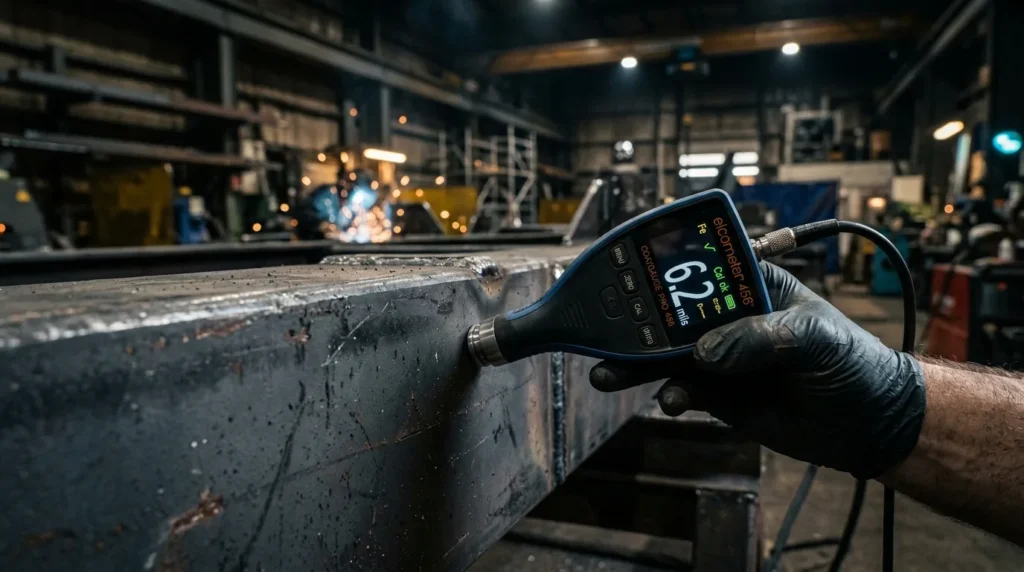
Dry Film Thickness (DFT) Testing
Our Dry Film Thickness (DFT) Testing service measures coating thickness using calibrated gauges to verify compliance with project specifications. Accurate DFT testing ensures the coating system provides the required corrosion protection and service life.
Adhesion Testing
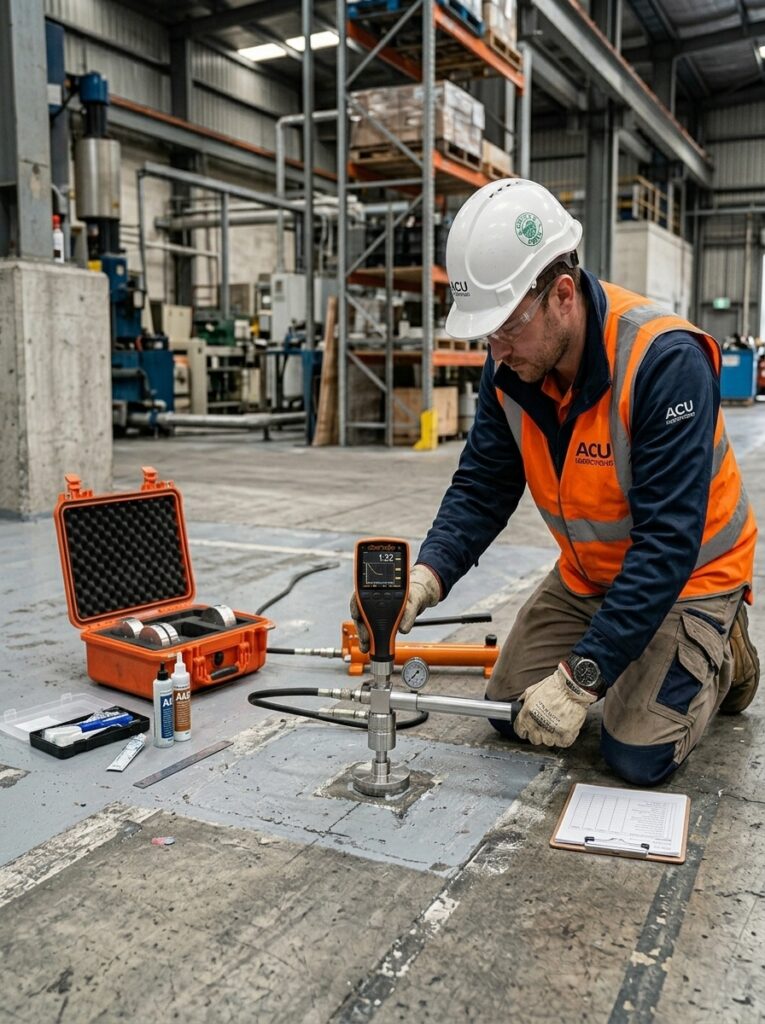
We perform Adhesion Testing to evaluate the bond strength between the coating and substrate. Using industry-approved methods, we verify that the coating meets project requirements and will perform reliably in service.
Holiday / Pinhole Detection
Our Holiday / Pinhole Detection service identifies pinholes, voids, and coating discontinuities that can lead to corrosion. We use wet sponge and spark testing methods for pipeline coating, tank coating, and other critical coating systems to ensure coating integrity.
Generator Emission Testing
Diesel generators produce significant diesel emissions, especially during peak load. We conduct exhaust gas analysis on generators of all capacities, measuring hydrocarbon levels, nitrogen oxides, carbon monoxide, and particulate matter — helping you meet environmental regulations and avoid penalties from unmonitored generator use.
Continuous Emission Monitoring System (CEMS)
Continuous Emission Monitoring Systems (CEMS) provide real-time, automated measurement of industrial stack emissions around the clock. We supply, install, calibrate, and maintain CEMS equipment for power plants, cement plants, and large manufacturing units — ensuring uninterrupted emissions data collection and continuous regulatory compliance without manual intervention.
Coating Inspection Methods We Use
We apply a structured set of coating inspection methods to assess coating quality, performance, and compliance with standards.
Thickness & Surface Evaluation
- We perform coating thickness measurement (DFT/WFT) using magnetic induction, eddy current, and digital data-logging gauges. We also conduct surface profile measurement using Testex tape and digital profilometers, along with gloss testing and hardness testing to verify coating finish and curing quality.
Adhesion & Integrity Testing
- Our coating inspection methods include pull-off adhesion testing (ASTM D4541) and holiday detection testing (wet sponge and high-voltage spark) to ensure coating bonding strength and identify any coating discontinuities or defects.
Environmental & Contamination Analysis
- We perform dew point and humidity testing using digital psychrometers, along with Bresle patch testing and soluble salt testing (ISO 8502-3) to detect surface contamination and ensure proper application conditions. We also carry out visual coating inspection and coating failure analysis to identify defects such as blistering, cracking, and delamination.
Industries We Serve in Pakistan
Our Protective Coating Inspection Services support key industrial sectors across Pakistan, ensuring coating integrity, corrosion protection, and compliance with international standards.
Oil, Gas & Petrochemical
We provide coating inspection services for refineries, pipelines, storage tanks, pressure vessels, and petrochemical plants. Our inspections ensure coating quality, corrosion control, and compliance with project specifications.
Power Generation & Energy
Our Protective Coating Inspection Services cover power plants, transmission towers, and energy infrastructure. We ensure reliable coating performance to extend asset life and reduce maintenance and maintenance costs.
Water, Infrastructure & Construction
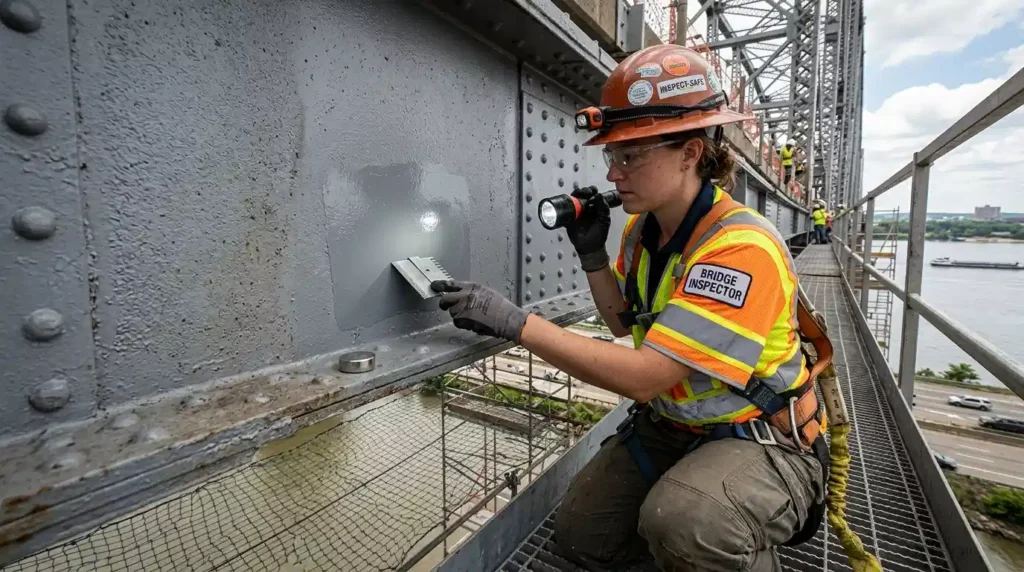
We deliver coating inspection services for water treatment plants, wastewater facilities, bridges, steel structures, and construction projects. Our coating inspection ensures long-term durability and protection against corrosion and environmental exposure.
Manufacturing & Heavy Industries
We inspect protective coatings on industrial equipment, steel structures, and heavy machinery. Our coating inspection services help manufacturers protect assets from corrosion, wear, and harsh operating environments.
International Standards We Follow
Our Protective Coating Inspection Services are performed in full compliance with the globally recognized standards that govern industrial coating quality control:
- SSPC Standards — Surface preparation grades (SP 1 through SP 16) covering solvent cleaning, commercial blast cleaning, near-white blast cleaning, and white metal blast cleaning
- NACE / AMPP Standards — Corrosion control coating specifications, inspection procedures, and qualification requirements for coatings inspectors
- ISO 8501 — Visual assessment of surface cleanliness for steel surfaces before coating application
- ISO 8502 — Surface cleanliness testing including ISO 8502-3 (dust test) and soluble salt testing
- ISO 8503 — Surface roughness testing and surface profile measurement for blast-cleaned steel
- ISO 19840 / PSPC — Coating acceptance criteria and DFT measurement requirements for protective coating systems
- ASTM D4541 — Pull-off adhesion test standard for coating adhesion measurement
- ASTM D 4285 — Blotter test for detection of oil or water in compressed air
Benefits of Professional Coating Inspection
- Dramatically extended coating service life
Verified application quality means coatings last longer and perform as designed
- Significant cost savings
Catching coating defects during application costs a fraction of emergency remediation or full recoating later
- Regulatory and contractual compliance
Documented coating compliance protects you during audits, warranty claims, and project handovers
- Reduced corrosion risk
Properly inspected coatings deliver reliable corrosion protection that safeguards structural integrity and prevents costly asset damage
- Full coating documentation trail
Comprehensive coating inspection reports and coating survey records support asset integrity management programs
- Peace of mind
Independent, certified coating inspection gives project owners confidence that their coating investment is properly protected
Why Choose KK Inspection Services?
Choosing the right Third-Party Coating Inspection partner ensures better coating performance, longer asset life, and reduced risk of failure.
AMPP / NACE & FROSIO Certified Inspectors
Our team includes AMPP (NACE CIP), FROSIO, and BGAS certified coating inspectors, ensuring inspections meet international standards.
Fully Independent Third-Party Inspection
We provide unbiased Third-Party Coating Inspection services, delivering objective findings with no contractor influence.
Complete Coating Inspection Reports
We issue detailed coating inspection reports with photos, test results, environmental data, and full QA/QC documentation.
Expertise Across Coating Systems
Our inspectors are experienced in epoxy coating, polyurethane coating, pipeline coating, marine coating, and concrete coating systems used across industry.
Rapid Mobilization Across Pakistan
We provide fast site mobilization for coating inspection services across Pakistan, helping keep projects on schedule without delays.
Get Coating Inspection Services in Pakistan
Protect your assets from costly coating failures with expert Protective Coating Inspection Services from KK Inspection Services. Whether it’s new construction, maintenance, or coating failure investigation, our certified inspectors are ready to support your project.
Contact us today to request a quote or schedule an on-site inspection. Early and proper inspection ensures coating quality, compliance, and long-term asset protection.
Book Your Inspection Now
Frequently Asked Questions
What are the methods of coating inspection?
Coating inspection methods include DFT measurement, adhesion testing, holiday detection, surface profile checks, chloride and salt testing (Bresle test), dew point monitoring, and visual inspection. Methods vary based on coating type, substrate, and project standards.
What is a basic coating inspector?
A basic coating inspector is a trained professional who checks coating work against project specifications and standards like SSPC, NACE/AMPP, and ISO. They verify surface prep, application, environmental conditions, and coating quality, and prepare inspection reports. Our inspectors are AMPP, FROSIO, or BGAS certified.
What is the standard for coating inspection?
Key standards include SSPC, NACE/AMPP, ISO 8501–8503, ISO 19840, and ASTM D4541. These define requirements for surface preparation, coating application, thickness acceptance, and adhesion testing, depending on project specifications.
Which test is used to inspect a coating?
Common tests include DFT measurement, adhesion (pull-off) testing, holiday detection, surface profile measurement, chloride contamination testing, and visual inspection. These tests ensure coating quality and performance before service.
What is coating inspection and why is it important?
Coating inspection is the process of verifying that a protective coating is correctly applied and fit for service. It is important because poor coating application can lead to corrosion, structural damage, and high repair costs. Proper inspection helps prevent early failure and extends asset life.
What is DFT in coating inspection?
DFT (Dry Film Thickness) is the measured thickness of a cured coating layer. It is critical because incorrect thickness can reduce corrosion protection or cause coating defects. It is measured using calibrated coating thickness gauges.
What causes coating failure?
Coating failure is usually caused by poor surface preparation, incorrect DFT, unsuitable environmental conditions during application, contamination (oil or chlorides), coating incompatibility, or wrong system selection for the environment.
What is the difference between coating inspection and coating testing?
Coating inspection is performed on-site during application to ensure correct procedures and quality control. Coating testing is usually lab-based and evaluates coating properties like adhesion, durability, and chemical resistance under controlled conditions.
How long does a coating inspection take?
Inspection time depends on project size and scope. It may take a few hours for a single stage or several days for large structures like tanks, pipelines, or industrial facilities. Inspection is usually done in phases throughout the project.
Do you provide inspection reports?
Yes. We provide detailed coating inspection reports including test results, environmental data, photographs, and compliance records. These reports serve as a complete QA/QC documentation trail for project and client requirements.